
Building an Emergency Fund on Minimum Wage (Yes, It’s Possible)
I know what you’re thinking. Build an emergency fund on minimum wage? Yeah right. I thought the same thing when I first heard that advice. How am I supposed to save money when my whole paycheck barely covers my bills and groceries? It felt like a joke. A bad one.
But I figured it out eventually, and I promise you can too. It’s just not gonna yourwebsite.com/building-an-emergency-fund-on-minimum-wage/look like what the rich people on TV tell you. You gotta do it your own way.
Why Bother When You’re Barely Surviving
Here’s the thing about being broke that nobody warns you about. Everything costs you more. You can’t afford to buy in bulk so you pay more at the corner store. You can’t afford to fix your car when it first acts up so it gets worse and costs double later. You can’t afford insurance until something bad happens.
And when an emergency hits? You’re stuck. Maybe you borrow from family who doesn’t have it either. Maybe you go to one of those payday loan places and end up paying three hundred percent interest. Maybe you put it on a credit card and then spend years paying it off.
A tiny emergency fund changes all of that. Even five hundred bucks. It gives you options. It lets you say no to the bad loans. It helps you sleep a little better at night.
I remember the first time I had an actual emergency after I’d saved some money. My car broke down and instead of panicking, I was like okay, I got this. That feeling is worth more than anything you could buy with that money.
Forget Everything You Heard About Saving
Normal financial advice says save three to six months of expenses. On minimum wage that’s like six to twelve thousand dollars. If you’re like me, hearing that number just makes you want to give up before you start.
So don’t think about that number. Think about something smaller.
Your first goal is two hundred and fifty dollars. That’s it. That covers most small emergencies. A car repair. A trip to the doctor. Groceries when you’re short before payday./emergency-fund-on-minimum-wage
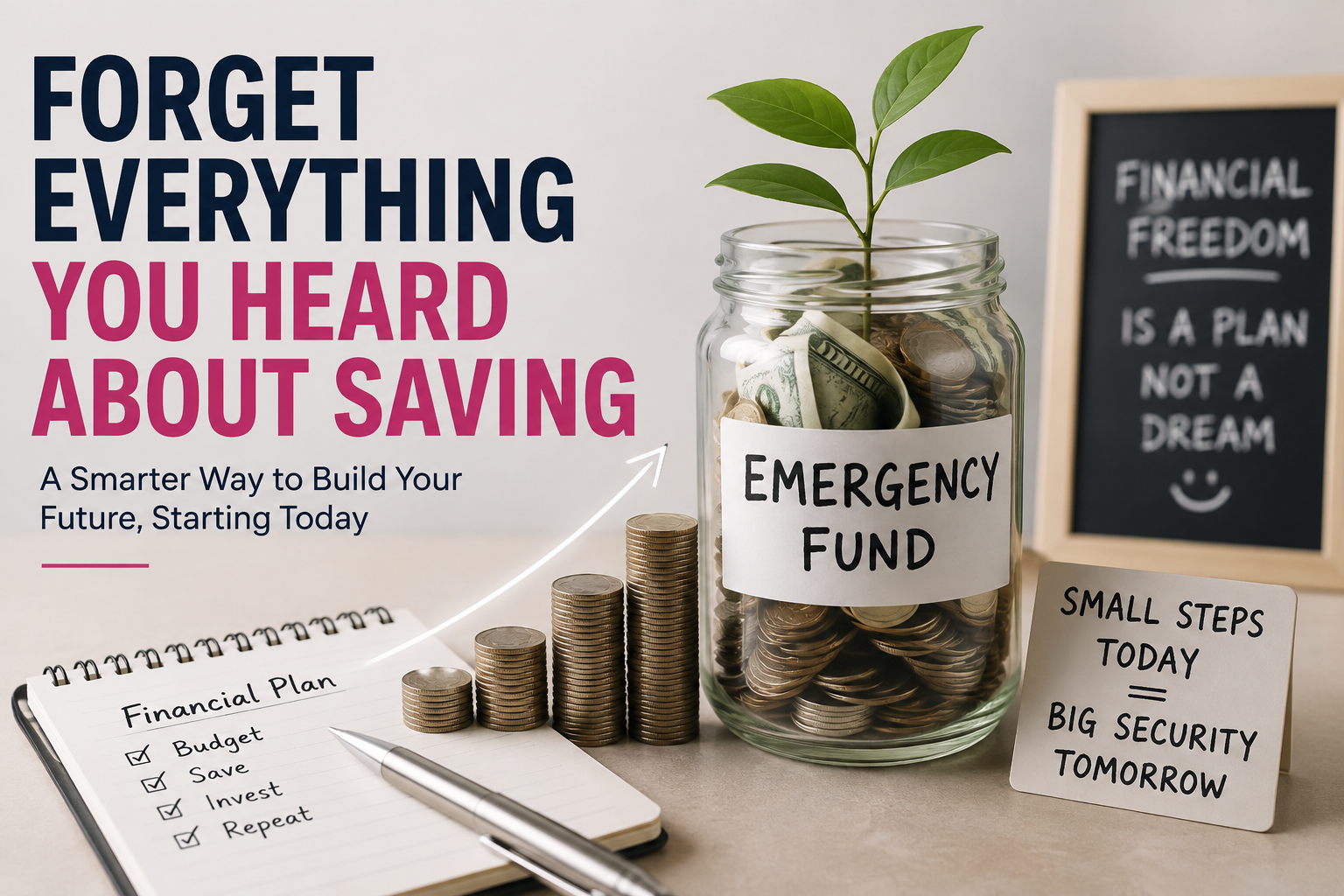
When you hit that two fifty, celebrate. You did something most people can’t do.
Then aim for five hundred. Then a thousand. One step at a time. Don’t look at the top of the mountain. Just look at the next step.
Where Your Money Actually Goes
I know tracking spending sounds like the most boring thing in the world. I hated doing it. But I did it for one month and it changed everything.
I thought I knew where my money went. I was so wrong.
Turns out I was spending like eight bucks a day on energy drinks, snacks, and fast food. Two hundred and forty dollars a month. Almost three thousand dollars a year. On crap I didn’t even really want. I just bought it because I was tired and it was there.
Seeing that number on paper made me sick. But it also showed me exactly what I needed to change.
Try it for just one month. Write down everything you spend. Every coffee, every bus fare, every little thing. At the end of the month, look at it and see what surprises you. You might find a lot of money you didn’t know you had.
The Stuff You Can Cut Without Hating Your Life
Some things are hard to cut. Other things you won’t even miss.
Your phone bill is probably too high. I switched to a prepaid plan from Mint Mobile for fifteen bucks a month and honestly I barely notice the difference. I still have the same phone, I still use it the same way, I just pay way less.
Streaming services are another one. You don’t need all of them. Pick one, stick with it for a few months, then switch to another one. Rotate. You’ll save like fifty bucks a month.
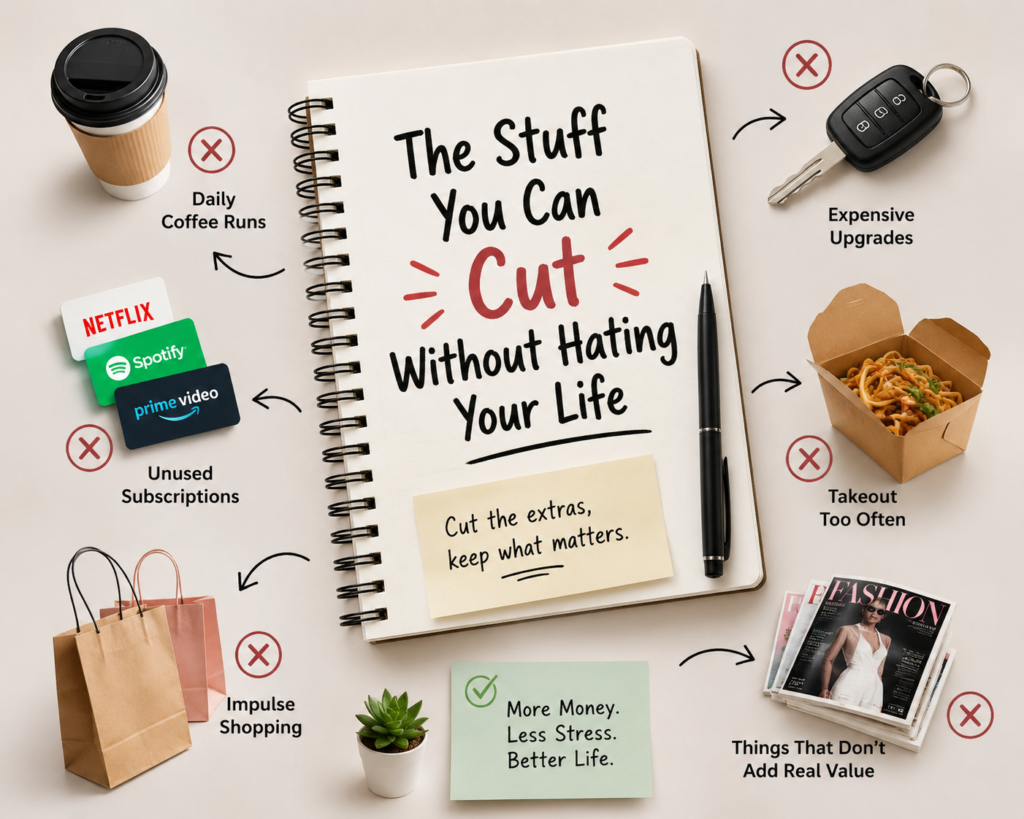
Coffee shops. I know nobody wants to hear this. But making coffee at home costs like twenty cents. Buying it costs five bucks. If you get one coffee every work day, that’s a hundred bucks a month. Over a year, that’s more than your whole emergency fund.
Eating out is the big one though. Packing a lunch saves me like ten to fifteen bucks a day. I let myself buy lunch once a week as a treat and that makes it way easier to stick to.
I’m not saying never spend money on fun stuff. Just make it occasional instead of every day.
Cooking Changed Everything for Me
I used to eat out a lot because I was tired and didn’t feel like cooking. But once I learned a few cheap recipes, everything changed.
You can make rice and beans with some hot sauce for like a dollar a serving. Lentil soup costs almost nothing. Pasta with a can of tomatoes and whatever veggies are on sale is super cheap. Oatmeal for breakfast costs pennies.
I’m not a good cook. I burn stuff all the time. But you don’t need to be a chef. You just need like three or four meals you can make without thinking. Rotate them. Eat them. Save the money you would’ve spent on takeout.
Even cooking one extra meal per week helps. Then two. Before you know it, you’ve got a handful of cheap meals you actually like.
Debt Is the Enemy of Saving
I learned this one the hard way. I was trying to save money while only making minimum payments on my credit card. It felt like filling a bucket with a hole in the bottom.
A thousand dollar balance on a credit card at twenty two percent interest takes over five years to pay off if you only pay the minimum. And you end up paying like seven hundred bucks in interest. That’s seven hundred dollars that could have been in your emergency fund.
What worked for me was focusing on my smallest debt first. I paid the minimum on everything else and threw every extra dollar at the smallest one until it was gone. Then I moved to the next one. It felt good to see balances hit zero and that kept me going.
If you have medical debt, call them. Seriously. Ask if they’ll take less. I offered to pay fifty percent right then if they forgave the rest and they said yes. You’d be surprised how often that works.
Ways to Make Extra Money
Cutting expenses only gets you so far. The real game changer is making more money.
Donating plasma is probably the best way to make quick cash without any special skills. You can go twice a week and they pay like fifty to a hundred bucks each time. That’s up to eight hundred dollars a month for sitting in a chair for a couple hours. I know it sounds weird but it’s legit and it helped me build my savings fast.
Food delivery apps like DoorDash or Uber Eats are good too. I did it on weekend evenings for a few hours and made like sixty to a hundred bucks a night. Just driving around listening to music.
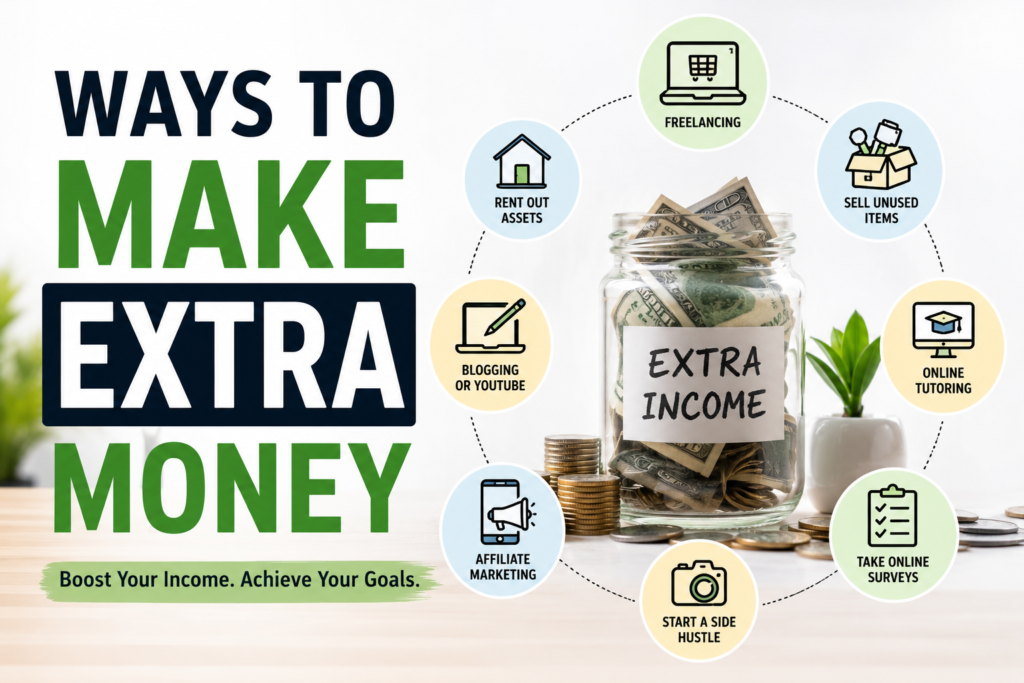
Look around your place. Anything you haven’t used in six months? Sell it. I made three hundred bucks selling old clothes and a guitar I never played on Facebook Marketplace. That jumpstarted my whole emergency fund.
If you can pick up extra shifts at work, do it. Even one extra shift a week adds up fast. And ask for a raise if you’ve been there a while. I know it’s scary but the worst they can say is no.
How to Keep Your Savings Safe From Yourself
This was my biggest problem. I’d save up some money and then find a reason to spend it.
The thing that finally worked was opening a savings account at a completely different bank. One that doesn’t have a branch near me. I didn’t get a debit card for it. I didn’t connect it to my main banking app. I made it hard to access.
When you have to go through extra steps to get your money, you think twice about whether you really need it.
I also set up automatic transfers of fifteen bucks a week. I didn’t have to think about it. The money just moved from my checking to my savings without me doing anything. And because I never saw it in my checking account, I never missed it.
I know it doesn’t sound like much but even ten or fifteen bucks a week adds up over time. Four hundred dollars a year. Eight hundred in two years. That’s real money.
What Actually Counts as an Emergency
This is important so listen up. Not everything is an emergency.
Real emergencies are things like your car breaking down when you need it to get to work. Getting hurt or sick and needing a doctor. Your heat going out in the middle of winter. Losing your job.
A sale at the mall is not an emergency. Neither is a concert you wanna go to or a new phone or your friend’s wedding.
Write down your definition of an emergency before one happens. That way when you’re stressed and trying to decide whether to use your savings, you already have the answer.
And if you absolutely have to use your emergency fund, try to leave at least a hundred bucks in there. I learned this one the hard way. Starting over from zero feels terrible and it took me months to get motivated again. Starting from a hundred feels way more doable.Windfalls Are the Fastest Way to Get There
Tax refunds. Birthday money. Holiday bonuses. Stimulus checks.
These are gold. Pure gold.
A single tax refund can take you from zero to a thousand dollars in one day. That would take months of saving otherwise.
When you get a windfall, put most of it into your emergency fund. I’d say seventy percent. You can keep thirty percent to treat yourself so you don’t feel deprived. But don’t blow the whole thing.
I got a tax refund of about twelve hundred dollars one year. Put eight hundred into savings and kept four hundred to buy stuff I needed and a few things I wanted. Seeing my savings jump that fast felt amazing and made me want to keep going.
It’s Okay If You’re Slow
Some weeks you’ll only save five bucks. Some weeks you won’t save anything. Some months you’ll have to use your savings because life happens.
All of that is fine.
The amount doesn’t matter as much as the habit. What matters is that you keep trying. You keep putting something away when you can. You keep going even after setbacks.
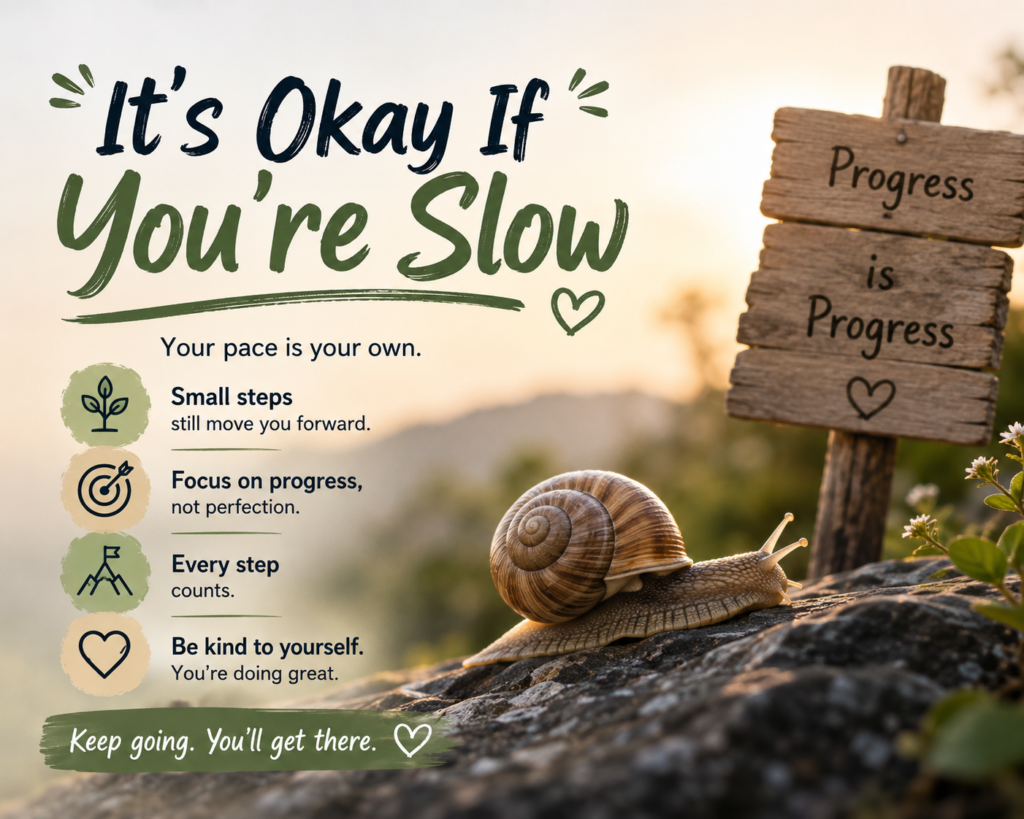
I’ve had my emergency fund go up and down more times than I can count. But every time I used it, I knew I could rebuild it because I’d done it before.
You’ll have setbacks too. Your car will break down. You’ll get sick. Something will happen. That’s not failure. That’s life. And that’s exactly what the emergency fund is for.
A Real Story
I knew someone who worked retail at ten bucks an hour. She was getting by but barely. No savings at all.
She started packing her lunch instead of buying it. Switched to a cheap phone plan. Started donating plasma twice a week. Did DoorDash on weekends.
Her extra income added up to about eight hundred bucks a month. She saved most of it.
In like six weeks she had over a thousand dollars saved. In five months she had three months of expenses in the bank. Was she exhausted? Yeah. Did she keep working that hard forever? No. But she built her safety net and once she had it, she could relax and still be okay./emergency-fund-on-minimum-wage
I’m not saying you have to do all that. But I’m telling you what’s possible if you really decide to make it happen.
Some Final Thoughts
Building an emergency fund on minimum wage is hard. I’m not gonna pretend it’s easy. You’re trying to save money when the system isn’t built to help you do that.
But you can do it. You just have to start small, be consistent, and not give up when things go wrong.
Start with a tiny goal. Like a hundred bucks. Cut what you can without making yourself miserable. Make extra money when you have the energy. Automate your savings so you don’t have to think about it. Use windfalls to jump ahead.
And be nice to yourself. This stuff is genuinely difficult. Celebrate every little win. Don’t compare yourself to people who make more money. Your only competition is who you were yesterday.
Every dollar you save is a dollar that poverty can’t touch. Every dollar you save is a small piece of your future that belongs to you.
Start today. Even if it’s five dollars in a jar.
It matters. I promise it matters.
Some things that helped me
– 211.org helps find assistance for food rent utilities healthcare
– Benefis.gov shows what benefits you qualify for
– Local credit unions give free financial advice sometimes
– GoodRx for cheap prescriptions
– Facebook Marketplace for selling stuff
– Your local food bank if you need it (no shame, you paid taxes)
Welcome to WordPress. This is your first post. Edit or delete it, then start writing!
Hi, this is a comment.
To get started with moderating, editing, and deleting comments, please visit the Comments screen in the dashboard.
Commenter avatars come from Gravatar.